







Pests and diseases are where many grows are lost. Some arrive unseen on a new plant or on the wind, some cannot be cured once they take hold, and a plant that looked healthy last week can be past saving by harvest. The list of usual causes is short, though, and each has early signs you can learn to read. Which ones you face depends first on where you grow.
What is wrong with my plant?
Most cannabis pests and diseases produce one of the patterns below. Use the table as a starting point, then read the matching section.
| What you see | Likely cause | Where |
|---|---|---|
| Rot inside a flower | Bud rot | Both; worse outdoors |
| Holes and droppings in a flower | Caterpillars | Outdoors |
| Spots with yellow halos, low down | Leaf spot | Outdoors |
| Ragged holes on a seedling, slime | Slugs or snails | Outdoors |
| Shoots missing, ends ragged | Deer | Outdoors |
| Low stems clipped off cleanly | Rabbits | Outdoors |
| Leaves chewed from the edges in | Grasshoppers or beetles; usually tolerable | Outdoors |
| White powder on leaves | Powdery mildew | Both |
| Soft insects on new growth, sticky | Aphids | Both |
| A clone that stays small and brittle | Hop latent viroid | Both |
| Brown roots, wilting, wet mix | Waterlogged roots or root disease | Both; worse in pots |
| Pale speckling, then webbing | Spider mites | Mainly indoors |
| Silvery streaks and black specks | Thrips | Mainly indoors |
| Tiny dark flies around the pots | Fungus gnats | Mainly indoors |
| Dull, bronzed leaves, edges curling | Russet mites | Mainly indoors |
| Yellowing or burnt tips, no insects | Feeding or pH, not a pest | Both |
Three habits for every grow
Inspect anything new before it goes near your plants, since new plants are one of the main ways indoor pests and hop latent viroid get into a grow. Clean your tools between plants: one part bleach to nine parts water, which Oregon State University Extension pairs with a ten-minute soak and a rinse, noting it corrodes metal and weakens within hours. And look weekly, checking leaf undersides with a hand lens; our pruning and training guide covers when to cut.
Outdoors
Outdoors, two things cost growers their harvest: pests and mold. Pests cannot be kept out. Moths and aphids fly in, slugs come up from the soil, and deer and rabbits walk in, and between them they can strip a seedling, weaken a plant through the summer or ruin its flowers. Mold comes with rain: water sitting in a dense flower for a few days late in flowering is all bud rot needs. The two are linked, because a caterpillar’s tunnel is where rot often starts. So the outdoor grower’s job is to look often, deal with pests while they are few, and keep the flowers dry and aired.
Bud rot
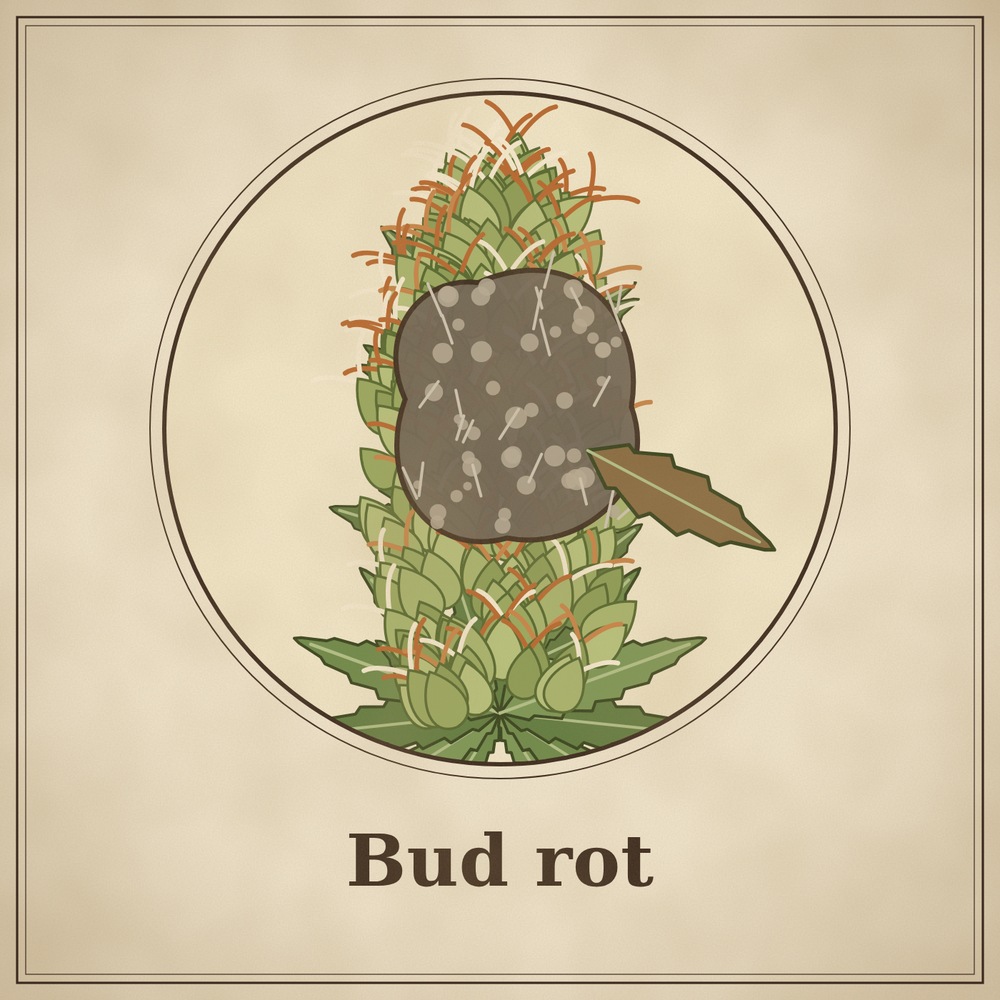
What you see. A flower that goes soft and brown with gray fuzz inside. It starts deep in a dense bud, so when the outside looks wrong the middle is gone.
Why it happens. Botrytis cinerea needs moisture sitting in packed flower tissue, and cool weather does not stop it.
What to do. Cut out infected flower at once, well below the damage: it cannot be cured, and moldy flower should not be smoked or otherwise used. To avoid it, give plants air and space, stake heavy branches off the leaves, prefer looser-flowered varieties where autumns are wet, and harvest ahead of a wet spell. Our outdoor growing guide covers the season.
Caterpillars
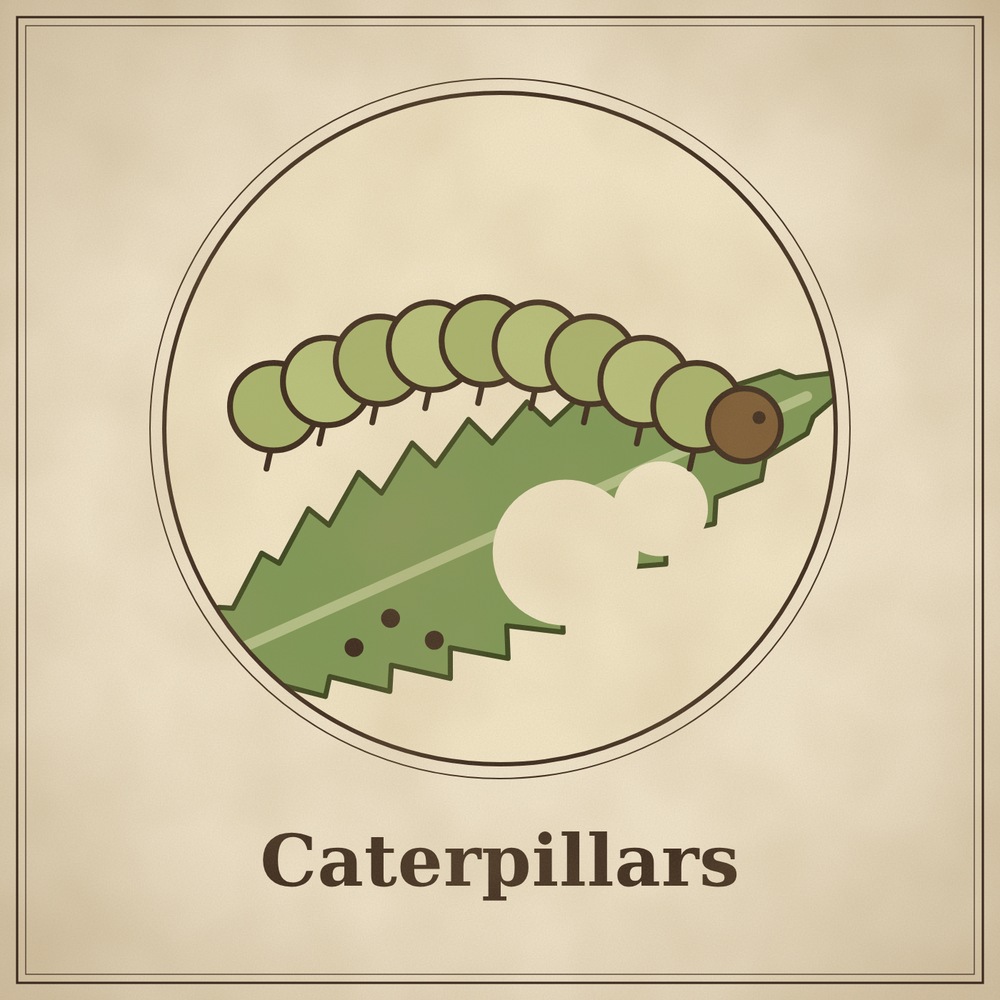
What you see. A bract wilting out of step with the plant, holes in the flower, dark grains of frass caught in it.
Why it happens. Moths lay eggs around the buds and the caterpillars tunnel in; Colorado State University notes hemp grown for flower attracts them more than fiber crops.
What to do. Open any flower that looks wrong, pick the caterpillar out, and check the cavity for rot, since Oregon State University Extension names bud rot as a consequence of their feeding. No fence excludes a moth, so scouting from early flowering is the prevention.
Leaf spot
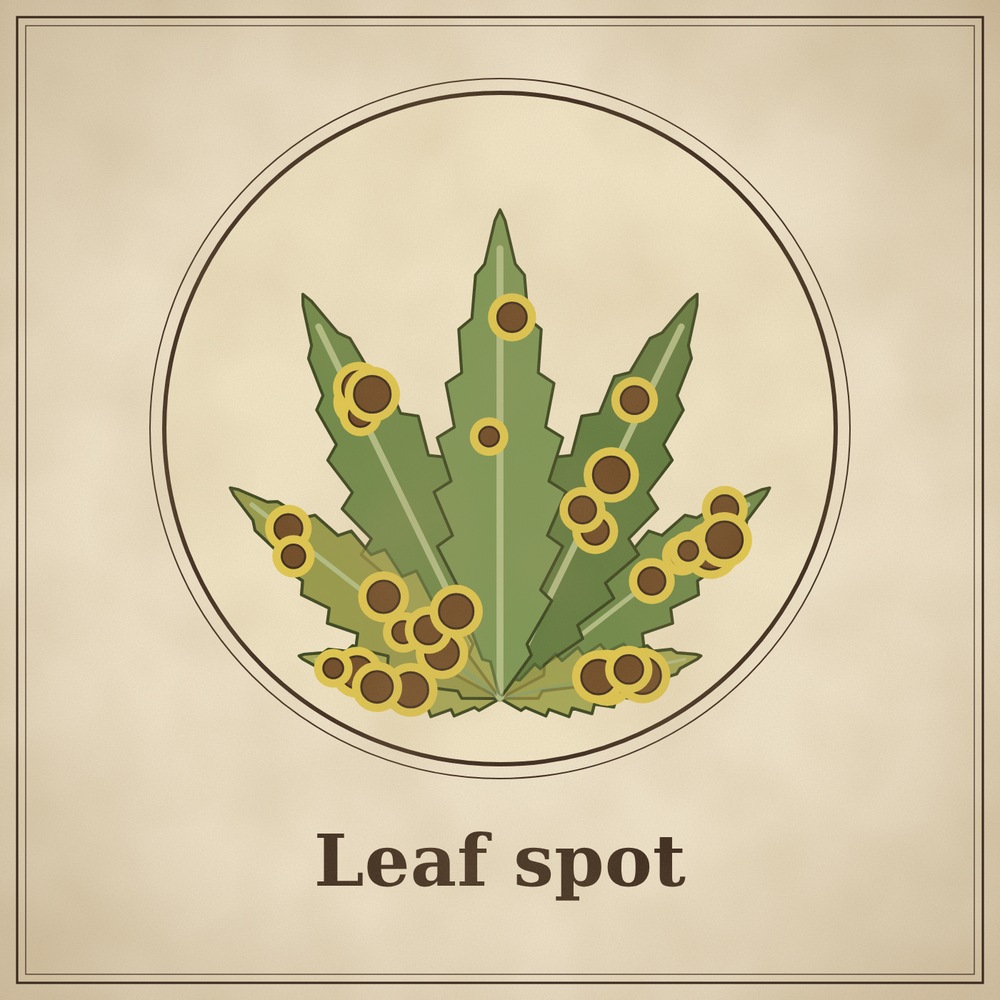
What you see. Small brown spots with bright yellow margins on the lower and inner leaves, spreading until whole leaves yellow and drop.
Why it happens. Septoria cannabis needs leaf wetness, which lasts longest low in the canopy; University of Kentucky plant pathologists call it the commonest leaf spot on field-grown hemp there.
What to do. Remove the worst lower leaves, open the canopy, and clear the fallen debris where it overwinters. Cornell’s hemp program notes a plant can look clean outside while the inner leaves are covered.
Slugs and snails
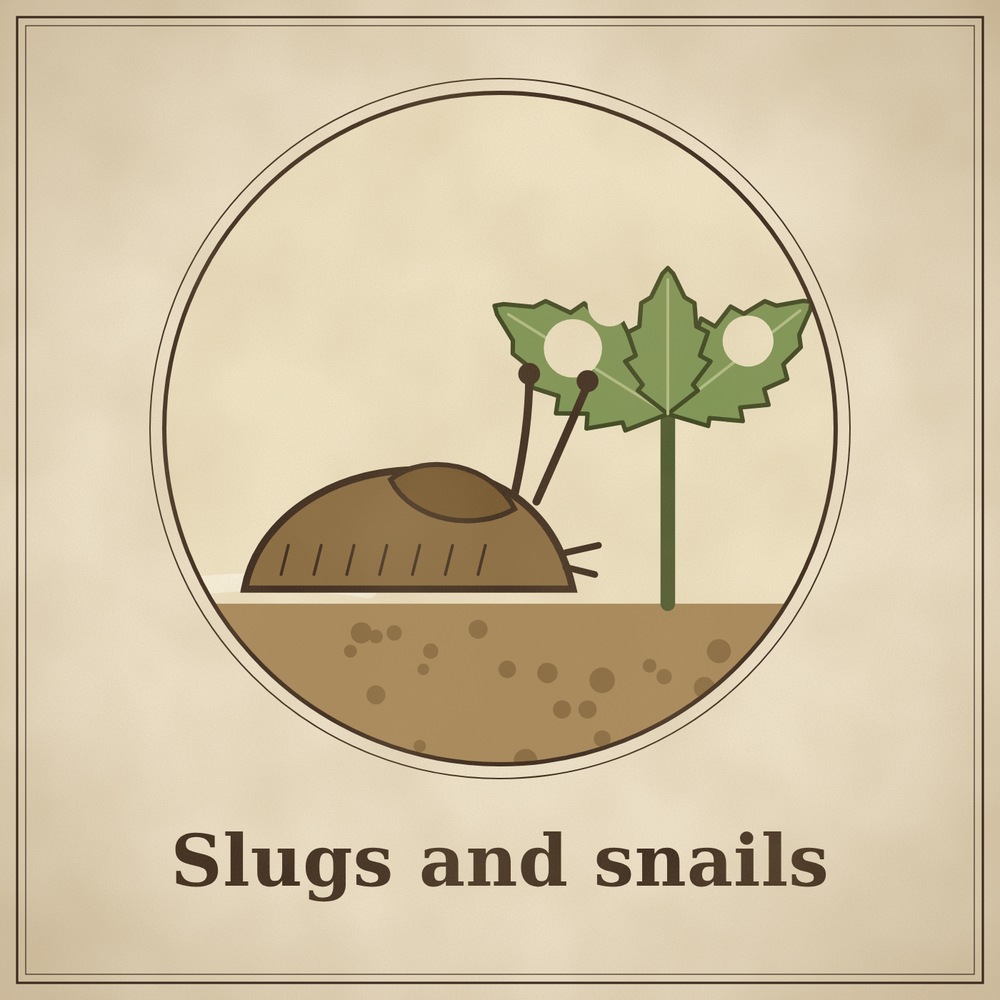
What you see. Ragged holes rasped in a seedling’s leaves, with slime trails and no insect in sight.
Why it happens. They need damp shade; University of Minnesota Extension notes severe feeding can injure a seedling outright, while older plants tolerate it.
What to do. Pick them off after dark, clear the boards and pots nearby, and water in the morning so the ground dries by night.
Deer and rabbits
What you see. Whole shoots missing. Deer have lower front teeth but no upper ones, so they tear and leave a ragged end; rabbits clip stems cleanly, close to the ground.
Why it happens. A cannabis plant is browse like any other, and nothing about it deters them.
What to do. Fence: University of Georgia Extension puts a deer fence at six to eight feet (1.8 to 2.4 m) anchored to the ground, and Mississippi State Extension stops rabbits with three feet (1 m) of two- to three-inch (5 to 8 cm) mesh, bottom buried. Repellents belong on top of a fence, not instead.
What to watch for through the season
| Stage | What to watch for |
|---|---|
| Spring, while plants are small | Slugs and snails on seedlings; damping-off in cuttings kept too wet |
| Summer | Aphids on new growth; the first leaf spot after a wet week; chewing from grasshoppers and beetles |
| Late summer and autumn, through flowering | Caterpillars in the buds; powdery mildew as the nights cool; bud rot wherever rain or dew sits in a dense flower |
Outdoors and indoors
Powdery mildew
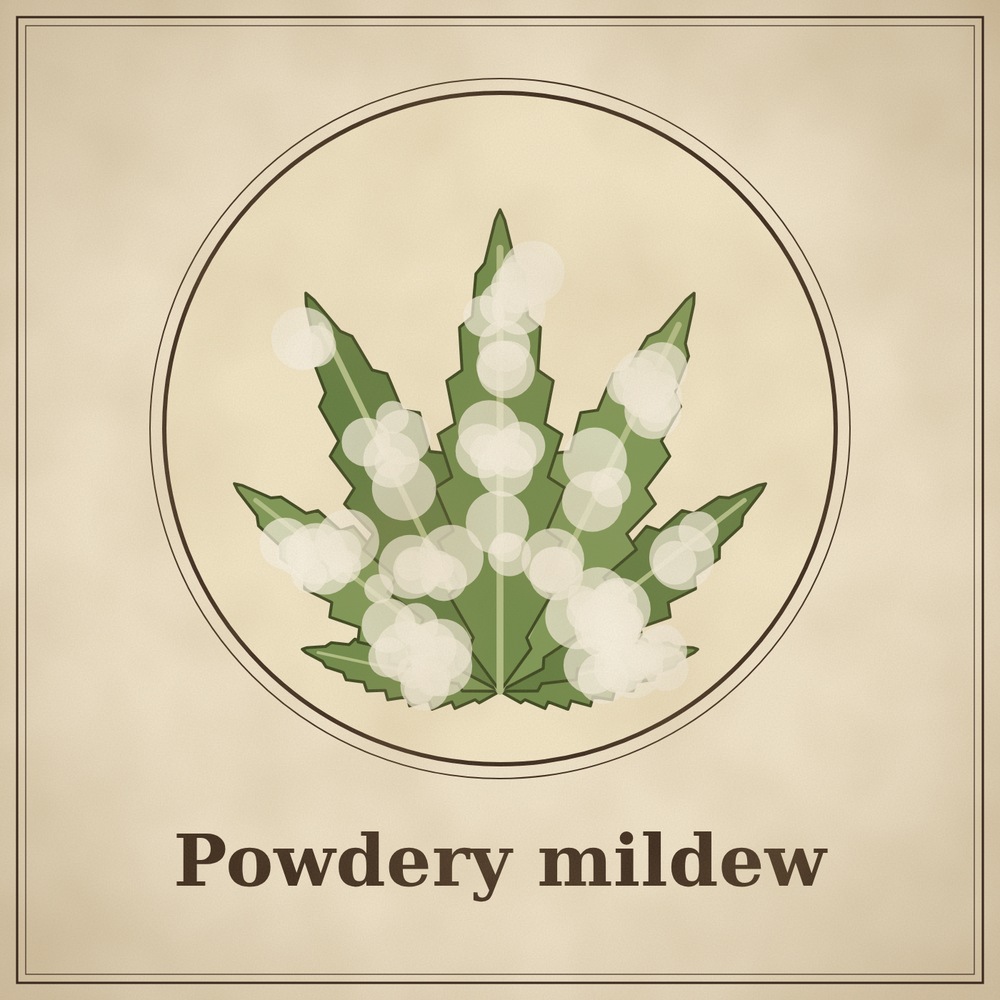
What you see. White powdery patches on leaves and sometimes flowers; British Columbia’s disease factsheet notes that spores are released when the plant is disturbed.
Why it happens. High humidity, poor air movement and temperature swings, which indoors is a matter of fans and dehumidifiers.
What to do. Remove affected leaves and steady the air. The same factsheet notes that movement of the fungus through the inside of the plant has not been demonstrated, but visible patches release spores and new infections can keep appearing elsewhere. Our page on treating powdery mildew goes further.
Aphids
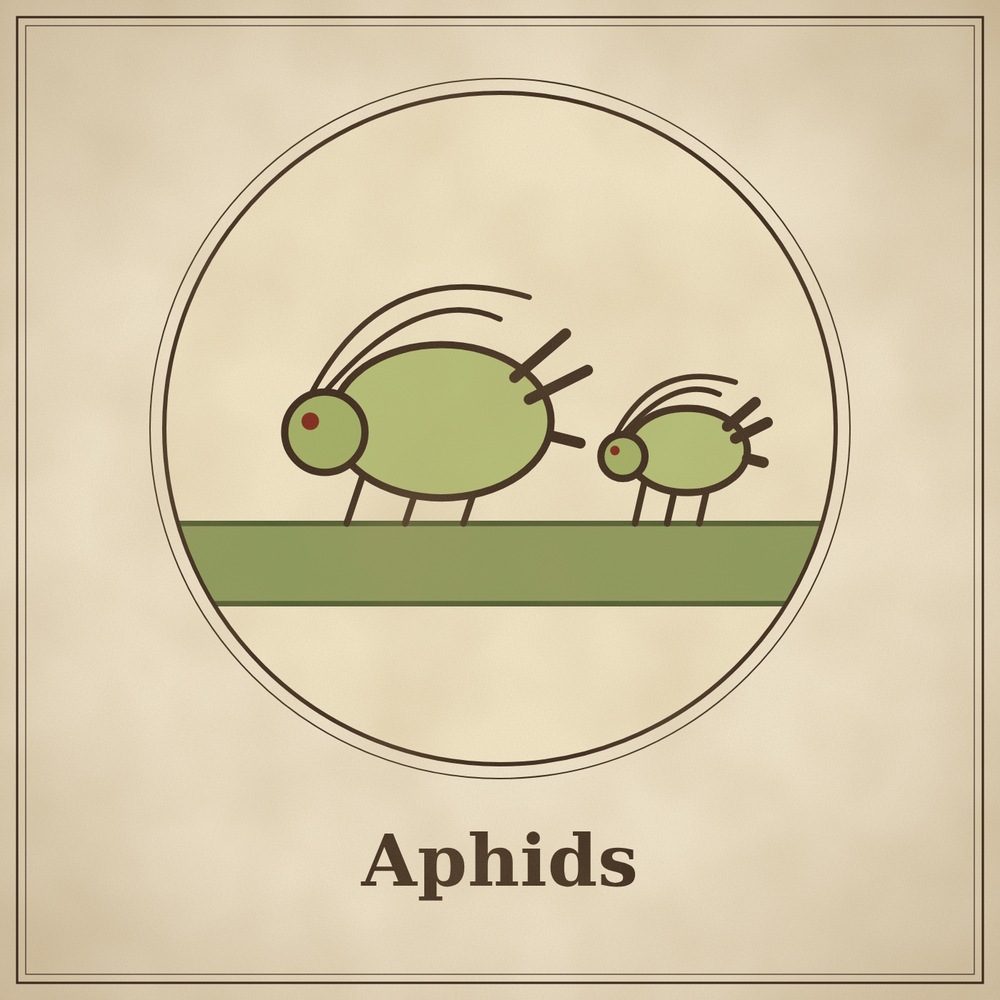
What you see. Clusters of small soft insects on new growth, and leaves that turn sticky with honeydew and then sooty.
Why it happens. Heavy nitrogen feeding grows what they prefer. Outdoors, natural enemies such as lady beetles, lacewings, predatory mites and parasitic wasps often keep aphids in check. Indoors they have few natural enemies unless the grower introduces them.
What to do. Prune out the worst growth, squash small numbers, ease off the feed. Avoid broad-spectrum sprays where you can, because killing those predators lets aphids or spider mites rebound.
Root trouble
What you see. A plant wilts although its mix is wet, growth stalls, and the roots turn brown instead of staying pale and firm.
Why it happens. Constantly wet mix starves roots of oxygen and lets root diseases spread.
What to do. Improve drainage and let the mix dry between waterings. Remove a badly collapsed plant instead of feeding it again, and clean any reused pots before the next crop.
Hop latent viroid
What you see. A plant grown from a cutting that stays stunted, with brittle stems or misshapen leaves, and finishes with small, loose flowers. Many infected plants show few obvious signs.
Why it happens. The viroid spreads through infected cuttings and on hands and tools, so it can persist unnoticed through a clone line.
What to do. Stop taking cuttings from it, clean your blades, and arrange a lab test, since nothing treats it. Our hop latent viroid explainer covers what a positive means.
Indoors
Indoors, the risk is time. There is no winter and there are few predators, so whatever gets in stays and multiplies: one arrival on a cutting in February is a room-wide problem by summer. What you gain in exchange is what the outdoor grower would most like, which is control of the air, so most indoor trouble is a decision about fans and watering instead of luck. The indoor grower’s job is to be strict about what comes through the door and keep the air moving. Our indoor growing guide covers the fan and filter for it.
Spider mites
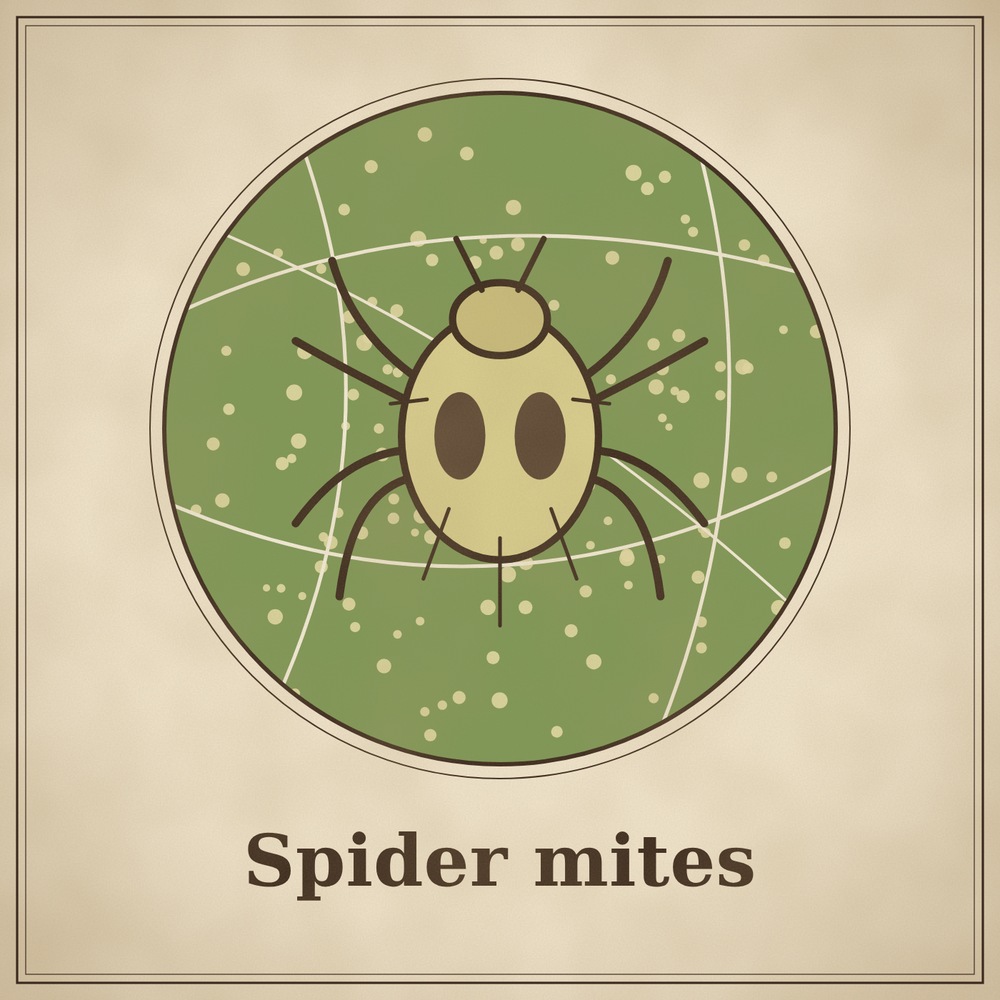
What you see. Fine pale speckling, then fine webbing. The mites are under a millimeter long, cream to yellow with a dark spot on each side, and live on the undersides.
Why it happens. Hot, dry, dusty air suits them, and indoors they face few natural predators unless beneficial mites or insects are introduced.
What to do. Check the undersides with a hand lens and remove the worst leaves; our page on spider mite infestations goes further. Quarantine and weekly scouting are the prevention, since once webbing shows the population is large.
Thrips
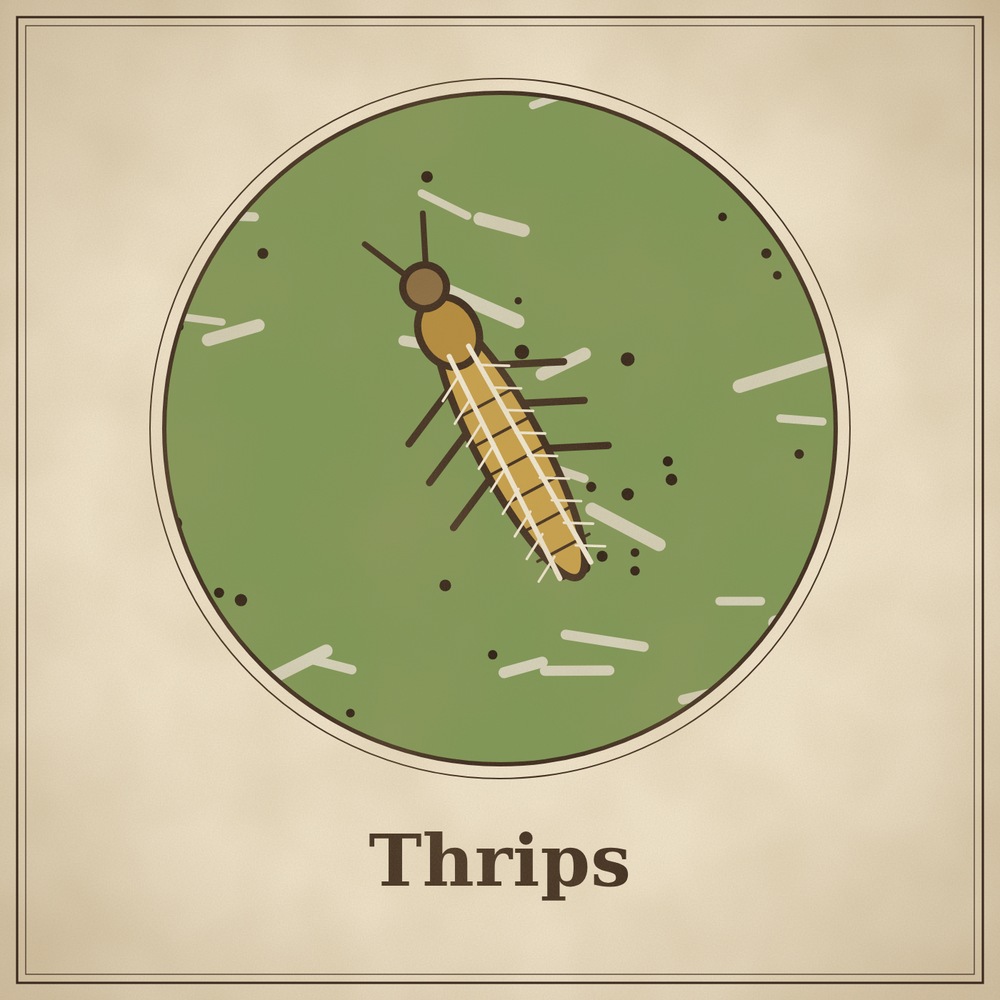
What you see. Silvery streaks where the leaf has been rasped, with tiny black specks of excrement.
Why it happens. Many pupate in soil, so reused mix carries a population into the next crop.
What to do. Tap a leaf over white paper to confirm, put up sticky cards for the adults, and start the next crop in fresh mix.
Fungus gnats
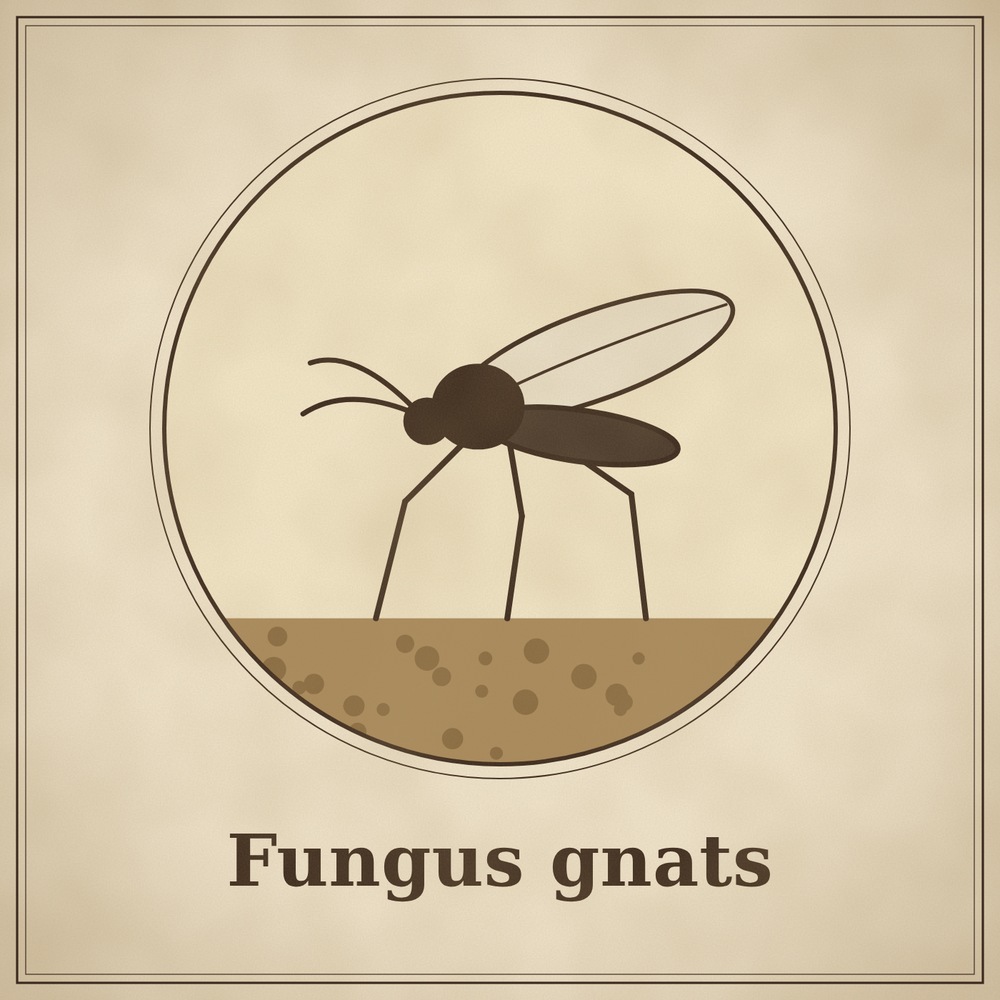
What you see. Tiny dark flies around the pots, and clear maggots with dark heads in the mix.
Why it happens. Overwatering: the larvae need wet media and chew at young roots.
What to do. Water less, let the surface dry between waterings, and use sticky cards for the adults.
Russet mites and other pests on cuttings
What you see. Often nothing at first. Russet mites, too small to see unaided, later show as dull or bronzed leaves with curling edges and brittle growth that looks like a feeding problem.
Why it happens. Cuttings come from someone else’s room, with whatever lives there; Purdue University entomologists report receiving clone material carrying russet mites and cannabis aphids.
What to do. Keep anything new apart for a couple of weeks and inspect leaves and stems under magnification: Colorado State University puts what is needed to see the mite at 15 to 20 times, and a small microscope is better than a hand lens. If mites are found, isolate the plant, remove badly affected plants and inspect everything that shared the room. Quarantine catches pests; it cannot catch a hidden infection such as hop latent viroid, which is what testing is for. Our guide to seeds and clones weighs that trade-off.
Not a pest
What you see. Yellowing leaves, burnt tips, a stalled plant, nothing on the undersides under a hand lens.
Why it happens. The commonest false alarm: usually what the plant is being given, or what the root zone is doing with it.
What to do. Check the feed strength, then the pH. Adjusting the pH comes before any spray.
What can you safely use on a plant you will smoke?
Start with what is not a spray, because what goes on a flower is what you later inhale. A sensible order is to remove affected leaves, wash insects off with plain water, fix the air and the watering, encourage beneficial insects, and only then consider the mildest appropriate treatment. Outdoors there is a further reason to hold back: University of California IPM reports spider mites erupting after a broad-spectrum spray kills their predators.
Insecticidal soaps and horticultural oils work mainly where the spray touches the pest and do little once dry. They can also injure plants or kill beneficial insects they hit, so follow the label instead of assuming that “natural” means harmless. For caterpillars, Bacillus thuringiensis works when a caterpillar eats it and is most effective on small, actively feeding ones.
As a rule, do not spray open flowers. Spraying can leave residue that cannot easily be removed and adds moisture where bud rot starts. If treatment cannot be avoided, use only a product permitted for cannabis at that stage, and keep to the waiting period before harvest on its label.
What you are permitted to use differs by country, state and province, and home growers are often treated differently from licensed producers. Check your own rules, and treat home remedies as unproven unless a university or government source backs them.
When should you remove a plant?
When keeping it puts the others at risk. A plant with rot through several flowers can shed spores through the grow, while a confirmed viroid infection can spread on tools, hands and cuttings.
Bag it whole before carrying it through an indoor space, and do not compost diseased material near the grow. In a garden it is a reservoir for next season, so bag it and take it away instead of heaping it near the beds, and clear the fallen leaves under it. Either way, clean every tool that touched it and inspect the neighboring plants closely for the rest of the crop. If the viroid is confirmed, test any mother plants or cuttings that shared tools with it.
Reviewed by Nani Frenkel, chief editor.


