







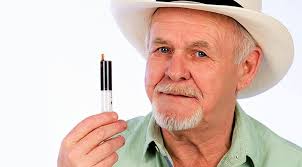
Rick Simpson Oil (RSO) takes its name from Rick Simpson, a Canadian cannabis activist who popularised a high-THC cannabis oil extract in the early 2000s after using it on his own skin cancer lesions. Simpson didn’t invent cannabis oil — concentrated cannabis preparations have a long history — but his decision to share his protocol openly and treat thousands of patients without charge turned RSO into a symbol of patient-driven medical cannabis advocacy.
The central claim surrounding RSO has always been a bold one: that it can treat cancer. Whether that claim holds up against the scientific evidence is a more complicated question, and one that has only become more nuanced as the research has matured.
What the Lab Research Actually Shows
The scientific interest in cannabinoids and cancer isn’t fringe — it’s a legitimate and growing area of oncology research. In laboratory settings, cannabinoids have repeatedly demonstrated anti-tumor activity through several distinct mechanisms.
The most studied is apoptosis: a form of programmed cell death where cancer cells are essentially triggered to self-destruct, while leaving healthy cells unaffected. In many in-vitro studies, THC and CBD have been shown to initiate this process in cancer cell lines. Cannabinoids have also demonstrated the ability to inhibit cancer cell proliferation, slow the spread of cancer to other tissues, and block angiogenesis — the process by which tumors develop new blood vessels to sustain their growth.
A 2024 study using a mouse model of pancreatic cancer found that a THC/CBD extract significantly slowed tumor growth and increased cancer cell death, adding to a body of preclinical literature that has been building for decades. And the original study Simpson pointed to — THC killing cancer cells in mice — has been replicated and extended many times since 1975.
The 2014 Scott et al. study that T&T has previously cited remains one of the more compelling pieces of evidence: it found that combining CBD and THC with radiation treatment produced dramatically greater tumor shrinkage in a glioma (aggressive brain cancer) model than radiation alone, suggesting a possible synergistic effect. [2]
Where the Evidence Gets More Complicated
Laboratory findings and animal studies are genuinely promising. But there is a critical gap between what happens in a petri dish or in mice and what happens in a human cancer patient — and that gap remains largely uncrossed as of 2025.
A 2024 scoping review of 35 studies — 29 of them randomized — found that while cannabinoids showed consistent promise for managing cancer-related pain, nausea, and appetite loss, tumor regression was evaluated in only 2.86% of the included studies, with no definitive conclusions reached. That’s a striking number: the vast majority of clinical cannabis-and-cancer research isn’t even asking whether cannabis shrinks tumors, because the evidence hasn’t reached a point where that’s a viable human trial question yet.
The National Cancer Institute’s current position, updated February 2025, reflects this: while cannabinoids have shown anti-tumor effects in preclinical models, there is insufficient evidence to recommend cannabis or cannabinoid-based products as a cancer treatment. A Phase II/III randomized controlled trial (NCT03763851) that aimed to test cannabis oil alongside palliative radiation therapy for cancer pain was terminated before reporting results — meaning even one of the more ambitious human trial attempts in this space didn’t produce usable outcome data.
RSO’s reputation rests primarily on anecdotal evidence — Simpson’s own case and the patients he subsequently worked with — rather than on controlled clinical trials. A 2022 review of case reports on RSO and cannabis as anticancer agents found that the available reports are generally vague and provide limited clinical evidence to substantiate the anticancer claims made. And some research has suggested that cannabinoids can promote growth in certain cancer cell lines, which complicates any simple “cannabinoids kill cancer” framing — tumor type, cannabinoid ratio, and dose all appear to influence the direction of the effect. [3]
THC for Symptom Management: The Clearer Case
Where the evidence stands on considerably more solid ground is in using cannabinoids to manage cancer-related symptoms rather than treating the disease itself. The same 2024 scoping review that found so little data on tumor regression found strong and consistent evidence across its 35 studies for cannabinoids helping with chemotherapy-induced nausea and vomiting — evaluated in 77% of included studies — as well as cancer-related pain and appetite loss. THC has held FDA approval for chemotherapy-related nausea since 1986 and for AIDS-related anorexia since 1992, which underlines how well-established the symptomatic utility of cannabinoids actually is.
A 2021 survey of 107 radiation oncologists found that 71% believed cannabis was effective at least some of the time for managing treatment-related side effects — yet only 36% said they would actively recommend it to patients. The gap between belief and recommendation likely reflects the absence of standardized clinical protocols, concerns about drug interactions, and the variability in product quality and dosing in an unregulated market. It’s a useful data point: the clinical community isn’t dismissing cannabinoids for cancer patients, it’s waiting for the kind of evidence that allows for confident, standardized recommendations.
This is perhaps the most honest framing of RSO’s current clinical value — not as a replacement for conventional cancer treatment, but as a high-potency, full-spectrum extract that may meaningfully improve quality of life for cancer patients managing the side effects of treatment.
The Leukemia Case — an Honest Reading
It’s also worth revisiting the case that Simpson famously helped — a girl with leukemia in 2013, in which a cannabinoid resin extract reportedly had a positive effect on her cancer. Simpson cited this as evidence of RSO’s potential. She ended up dying, though from an unrelated gastrointestinal condition rather than the leukemia — which is why the case should be viewed as a genuinely interesting starting point for research rather than confirmation of a cure.
Where This Leaves RSO
Overall, RSO has demonstrated meaningful promise in preclinical research, and the mechanistic case for why cannabinoids might affect cancer biology is scientifically coherent. But the evidence base for RSO as a cancer treatment in humans remains thin.
Anyone considering RSO alongside conventional cancer treatment should discuss it with their oncologist — particularly given THC’s potential interactions with certain chemotherapy agents and the reality that very high THC doses can carry their own risks for some patients. The case for RSO as a complement to conventional treatment, for symptom management if not direct anti-tumor effects, is considerably stronger than the case for it as a replacement.
Sources: [1] Munson AE et al, Antineoplastic activity of cannabinoids, J Natl Cancer Inst., 1975. [2] Scott et al, The Combination of Cannabidiol and Δ9-THC Enhances the Anticancer Effects of Radiation in an Orthotopic Murine Glioma Model, AACR Journals, 2014. [3] Hart et al, Cannabinoids Induce Cancer Cell Proliferation via TACE/ADAM17, AACR Journals, 2004. Additional: National Cancer Institute, Cannabis and Cannabinoids PDQ, updated February 2025; 2024 scoping review (35 studies) on cannabinoids and cancer symptom management; NCT03763851 (terminated Phase II/III RCT, Tetra Bio-Pharma); Lowe et al., PMC8864433, 2022; radiation oncologist survey, 2021.
Originally published January 2019. Updated July 2026 to reflect current clinical research, including a 2024 scoping review of 35 studies and updated NCI guidance.
For practical information on what RSO is, how to dose it, and how to make it at home, see our companion article: What Is Rick Simpson Oil (RSO) and How Do You Use It? For a broader look at how RSO compares to other cannabis extracts including BHO, see our Cannabis Extracts Guide from BHO to RSO.